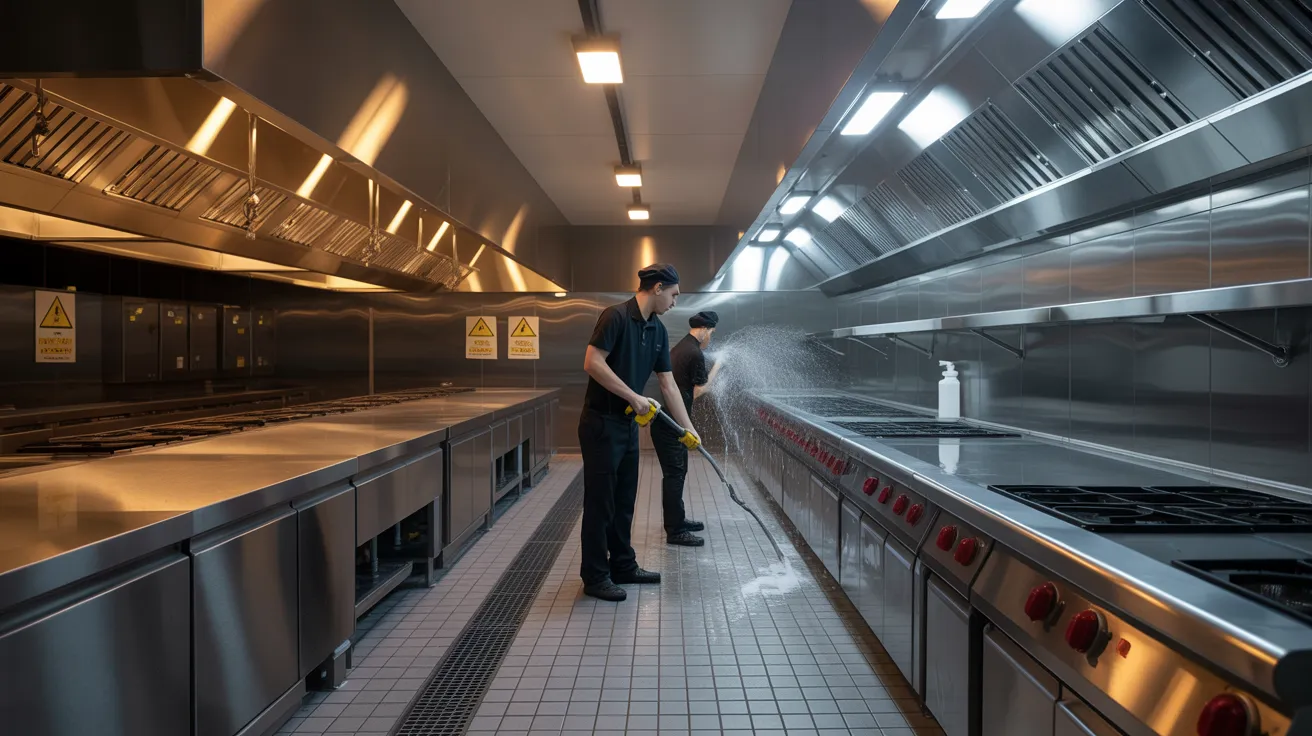
Professional food safety experts located in Brampton help maintain food service establishments, food distribution facilities, baking enterprises, warehouses, and mobile food units to sanitation standards. They disinfect frequently handled areas, food-contact areas, equipment, floors, drains, restrooms, and food handling areas using approved sanitizers, in correct dilution, and with verified times.
Important Highlights
- Food safety cleaning experts in Brampton serve restaurants, grocery departments, commissaries, warehouses, bakeries, schools, mobile vendors, and allergen-sensitive operations.
- They sanitize high-touch surfaces, food-contact equipment, kitchens, floors, drains, restrooms, and storage areas using compartmentalized approaches to avoid cross-contamination.
- Verification of proper chemical concentration, alignment, and contact time is conducted by qualified providers, with finalization logged using checks, audits, and remedial documentation.
- Danger, production volume, switches, accidents, and guidelines must shape maintenance plans, with everyday, recurring, and annual activities assigned by section.
- Protection, color-categorized tools, hazard analysis knowledge, public-health expertise, WHMIS training, credentials, and inspection-ready hygiene paperwork are essential supplier qualifications.
What Brampton Venues Require Food Safety Cleaning?
Brampton venues that manage, store, prepare, package, or offer food require hygiene cleaning. Implement it if your facility is falls under health department oversight, food standards, or HACCP systems. The requirement covers restaurants, cafeterias, commissaries, grocery food departments, butcher shops, seafood counters, convenience stores, and institutional kitchens.
Proper hygiene protocols continues to be required in distribution centers, manufacturing facilities, cold storage areas, bakery retailers, educational meal programs, banquet venues, and meal delivery services. Temporary mobile establishments matter as well, such as catering vehicles, festival vendors, and pop-up establishments. Your location needs established hygiene documentation if your employees work with ingredients, section ready-to-serve foods, heat finished items, or maintain allergen storage. In Brampton, sanitation is not discretionary; it constitutes statutory, functional, and public health adherence.
What Do Brampton Cleaning Professionals Handle?
Professional cleaning teams specializing in Brampton disinfect high-contact surfaces, kitchen facilities, floors, and restrooms in compliance with food safety regulations. Focus on these locations stems from extreme cross-contamination risk, potential for accidents, and compliance issues.
When you understand what they clean, you can ensure your operation's cleaning procedures satisfy compliance and operational standards.
Prioritizing High-Touch Surface Sanitizing
structure sterilization schedules based on foot traffic, environmental hazards, and business activities.
verify that sanitization was adequate
Food Prep Areas, Flooring, and Sanitary Facilities
Brampton cleaning services zero in on kitchens, floors, and restrooms as each zone involves distinct sanitation, accident, and wellness risks. In industrial kitchens, you need grease removal from cooking stations, appliance surfaces, drain systems, preparation areas, and backsplashes to minimize bacterial growth and pest activity.
Professional floor care with documentation is also included. is likewise provided as part of the service.
In restrooms, cleaners treat touchpoints, fixtures, partitions, dispensers, and waste containers then refill supplies and eliminate odor. They also service restaurant moprooms, where chemical storage, sink hygiene, and drainage conditions can affect sanitation compliance and staff safety daily.
The Importance of Food Safety Cleaning in Brampton
Brampton facilities require proper hygiene standards to meet health code requirements and pass inspections. You also minimize cross-contamination by cleaning and sanitizing food-contact surfaces, equipment, and high-touch areas correctly. Most importantly, you safeguard community wellness by reducing the chance of food poisoning in your establishment.
Food Safety Regulations
Brampton food operations must comply with mandatory safety protocols, so hygiene maintenance is key to fulfilling health codes, protecting customers, and avoiding penalties. You must maintain clean food preparation areas, written maintenance records, safe chemical management, and traceable training practices that comply with municipal and provincial inspection expectations.
When inspectors examine your operation, they determine whether your hygiene protocols supports protected inventory management, tool sterilization, garbage disposal, and washroom maintenance.
Cross-Contamination Prevention
Following health code standards depends on your skill in stopping cross-contamination in routine food work and sanitation. You should isolate raw items from prepared foods, sanitize prep surfaces between tasks, and store chemicals away from food-contact items. Clear procedures reduce transfer risks and promote steady regulatory adherence.
Implementing allergen separation helps keep priority allergens from contacting communal work zones, bins, or devices. Utilize separate boards, color-labeled items, and strict utensil labeling so workers don't combine products while preparing or distributing. Enforce hand hygiene following raw meat, seafood, eggs, or allergen-containing products. Replace wiping cloths regularly, and verify sanitizer strength with test strips. When you train staff to follow these controls per shift, you create a cleaner, safer operation that meets Brampton's food safety expectations daily.
Public Wellness Protection
Should food safety cleaning break, you don't simply risk a failed inspection—you expand the odds of foodborne illness harming customers, staff, and the wider Brampton community. You also weaken your role in safeguarding community wellness, especially in high-traffic food premises where pathogens travel quickly through surfaces, equipment, and touchpoints.
You require sanitation protocols that eliminate soils, sanitize properly, and confirm effectiveness. This requires following contact periods, employing authorized sanitizers, logging schedules, and training employees to satisfy health-unit expectations. These controls promote pathogen reduction by decreasing microbes before contaminating food or surfaces. Across Brampton, strong cleaning safeguards vulnerable groups, limits outbreak risk, and demonstrates accountability. When you maintain proper protocols, you go beyond requirements—you substantially lower hazards and enable safer food service city-wide.
In What Ways Does Cleaning Help Achieve Food Safety Compliance?
Adopting thorough cleaning protocols secures food safety compliance by lowering contamination exposure, preventing pathogen multiplication, and keeping your facility aligned with sanitation requirements under HACCP-based programs and public health regulations. You confirm that product-contact areas stay visibly clean and microbiologically controlled, supporting documented preventive controls and inspection readiness.
Cleaning programs additionally fortify allergen mitigation by removing residues that can provoke undeclared allergen exposure.
Establishing When to Schedule Commercial Cleaning
Cleaning schedules work best when you set them according to risk factors, production rates, and legal standards rather than relying on a fixed calendar alone.
Schedule cleaning prior to and after special events, catering [[services, or gatherings for effective event transitions.
How Do You Choose Brampton Cleaning Experts?
Begin by evaluating providers based on food-safe sanitation requirements—not solely on budget. You should confirm that each organization comprehends CFIA, public health, and HACCP-aligned expectations applicable to your facility. Request insurance certificates, WHMIS compliance, staff training documentation, and oversight procedures. Assess whether technicians recognize cross-contamination hazards, chemical handling protocols, and verifiable sanitation records.
You must also evaluate business consistency and accountability. Seek references from Brampton food companies, then assess response speed, corrective processes, and communication quality. Ensure the company supports supplier audits and can provide inspection-compliant records when authorities or third parties demand verification. Verify equipment is maintained, color-coded items are deployed correctly, and operational-specific risks are understood. A qualified provider protects compliance, product safety, and your market standing.
What details should a Food Safety Cleaning Plan include?
Create a documented strategy that defines every sanitation duty, guideline, and expectation before production starts. You should list cleaning schedules, authorized products, mixing ratios, exposure periods, equipment, and testing procedures for each area, section, and machine. Don't forget to add pre-operational inspections, corrective actions, and employee training requirements.
Your learn now plan should also tackle prevention of contamination, waste management, pest-control tactics, and scheduled records for restrooms, drains, floors, and food-contact areas. Outline how you'll separate raw and ready-to-eat processes, facilitate ingredient tracking, and maintain accurate allergen labeling through validated cleaning between product changes. You should assign accountability, document signed records, and assess results against regulatory standards, HACCP controls, and customer requirements. When gaps appear, modify procedures immediately and instruct staff.
Commonly Requested Inquiries
Can cleaning services support overnight shifts in Brampton properties?
Yes, you can schedule cleaning services to accommodate overnight shifts in Brampton facilities. You'll coordinate overnight sanitation around operational schedules, security measures, and personnel needs. Services generally outline nightshift logistics to minimize interruption, ensure adherence, and document completed tasks. You should confirm response times, oversight, lockout procedures, and disposal methods before service begins.
Will Brampton cleaning experts address hazardous incidents?
Yes, you can find many Brampton cleaning professionals offering emergency response services. They handle contamination, evaluate risks, isolate zones, and execute rapid cleanup to reduce exposure and prevent disruption. You should verify response times, certifications, protocols, and disposal methods. If your facility must meet standards, choose a service that logs events, follows procedures, and supports audits.
Are environmentally safe disinfectants appropriate for surfaces contacting food?
Yes, eco-friendly disinfectants can be secure for food preparation areas if you opt for items marked food-safe and satisfying regulatory requirements. You should check contact times, dilution rates, and rinse procedures before application. Many botanical formulations reduce harsh chemical exposure, but you still need confirmation of performance against relevant pathogens. To keep surfaces residue-free, you need to follow exact manufacturer guidelines and validate the disinfecting agent adheres to relevant food safety standards.
Do sanitation programs support production fluctuations?
Absolutely, cleaning schedules can be customized for seasonal variations. Modify schedules, staffing, chemicals, and testing procedures to fit production rhythms while maintaining compliance standards. Lower operational delays through organizing disinfection surrounding production shifts, maximum output, and usage cycles. Additionally, update SSOPs, training, and environmental monitoring to address temporary risks, new allergens, or higher contamination levels. Ongoing evaluations preserve the plan current.
Do commercial cleaners educate staff on sanitation best practices?
Certainly, professional cleaning experts train your employees on sanitation best practices. You obtain employee development on correct chemical practices, contact times, cross-contamination prevention, machine disassembly, and documentation. They typically align instruction with HACCP, GMP, and CFIA or local public health standards. Many also run sanitation audits to verify compliance, uncover shortcomings, and strengthen corrective measures. This helps you copyright standard processes, satisfy audits, and reduce food safety risks every day.
Closing Remarks
Through working with Brampton food safety and commercial cleaning experts, you do far more than tidy—you ensure your facility for inspections and your standards stay aligned with regulations. From production floors to kitchens, all clean areas and organized zones reduce contamination risks and prevent significant costs. Through booking service at proper intervals and adhering to a comprehensive cleaning program, you ensure protection for your team, clients, and your good name. In a tightly controlled regulatory landscape, clean conditions must be a priority—they are fundamental to success.